
Buying gold jewelry often comes down to one deceptively simple choice: 14K or 18K gold?
Both are genuine gold alloys. Both can make beautiful, long-lasting jewelry. The difference lies in how much pure gold they contain and how that changes their color, durability, price, and feel.
14K gold contains 58.3% pure gold, while 18K gold contains 75%. The remaining metal is made from alloys that help give the jewelry its strength and desired color.
The better choice depends on how you plan to wear the piece, the look you prefer, and how much you're willing to spend. Here's what actually matters before you choose.
What Is 14K Gold?

The "14K" means 14 parts out of 24 are pure gold. 14K gold is 58.3% pure gold, with the remaining 41.7% made up of metals like copper, silver, or zinc. That alloy blend does more than fill space; it's what gives 14K its strength.
The alloy also influences 14K gold's final appearance. Copper can add warmth, while silver and other metals can create a lighter tone or support white-gold formulations. That makes 14K gold jewelry a practical choice for everyday activities like regular contact with clothing, skin, and surfaces.
It's also the more budget-conscious option, which matters when you're building out a collection rather than buying one showpiece.
14K vs 18K Gold: Key Differences

The biggest differences between 14K and 18K gold come down to purity, durability, appearance, and price. Understanding these factors makes it easier to choose the right gold for your jewelry and lifestyle.
1. Purity and Gold Content
Purity is the major difference between 14K and 18K gold. 14K gold contains 58.3% pure gold. 18K contains 75% pure gold. If gold content alone is what you're optimizing for, 18K gold jewelry wins outright. But purity by itself doesn't tell you which piece will actually serve you better day-to-day.
A chain that gets worn every day has different demands from a ring kept for special occasions. That's where the comparison gets more interesting.
2. Durability and Everyday Wear
14K gold generally has the durability advantage because its higher proportion of alloy metals creates a harder material. That makes it particularly practical for pieces that experience frequent friction, such as rings, bracelets, and everyday chains.
18K gold is softer by comparison and can show scratches sooner. That doesn't make 18K fragile. A well-made 18K piece can last for decades with sensible care. The difference is more about how the surface responds to repeated wear.
And here's a useful reality check: karat alone doesn't determine durability. The alloy recipe, construction, thickness, design, and your wearing habits all play a role.
3. Color and Appearance
The difference is most noticeable in yellow gold. 14K yellow gold generally has a lighter, more subdued yellow tone. 18K yellow gold tends to look warmer and richer because a larger percentage of the alloy is actual gold.
Neither option has a clear advantage in appearance. Some buyers favor the softer tone of 14K gold. Others enjoy the bold, saturated gold color associated with 18K gold.
For a substantial men's bracelet or chain, seeing both karats in person can help you make a better choice than comparing photos online. Lighting can change how gold looks, making the color difference seem stronger or more subtle than it actually is.
4. Price and Value
More pure gold means a higher price tag, plain and simple.
18K jewelry costs more than an equivalent 14K piece because there's simply more of the valuable metal in it. That said, “more expensive” isn't automatically “better value.” If you want a solid gold chain or are buying jewelry you'll wear constantly, 14K often delivers more practical value per dollar.
If you're after a piece with maximum gold content as a long-term investment or heirloom,18K makes a stronger case.
5. Skin Sensitivity
Many people believe 18K gold is always hypoallergenic. The actual answer depends on the type and amount of alloy metals added to the gold. Two jewelry pieces with the same karat can contain different alloy compositions. Anyone with metal sensitivities should review the material information for USA-made jewelry instead of judging its safety by the karat number alone.
18K contains less alloy metal overall, which can make it a preferable choice for some wearers. But 18K does not guarantee that everyone will tolerate the piece equally well.
14K or 18K Gold - Which Is Better for Specific Jewelry Types?
The right gold karat can change how a piece looks, performs, and fits into your everyday gold jewelry.
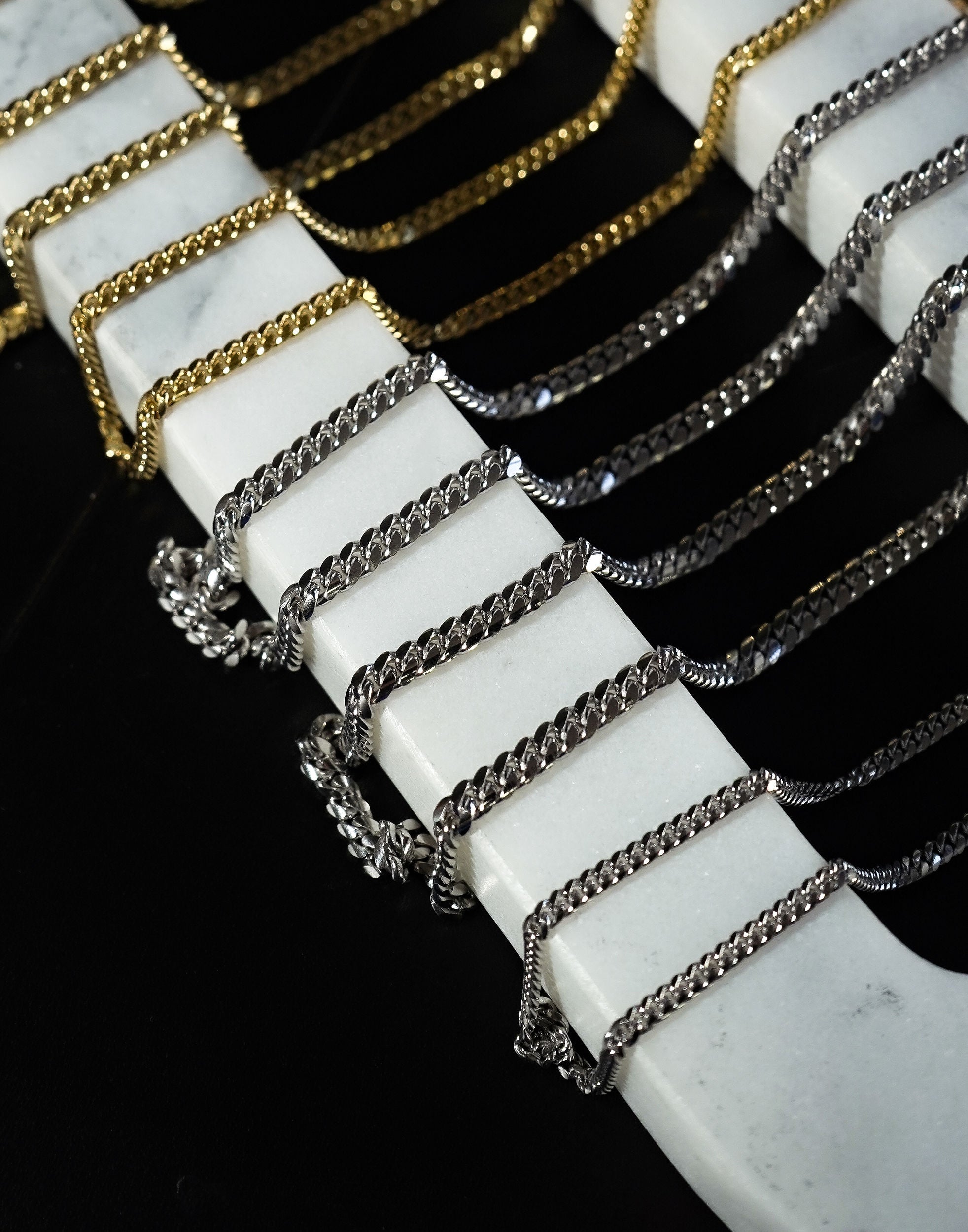
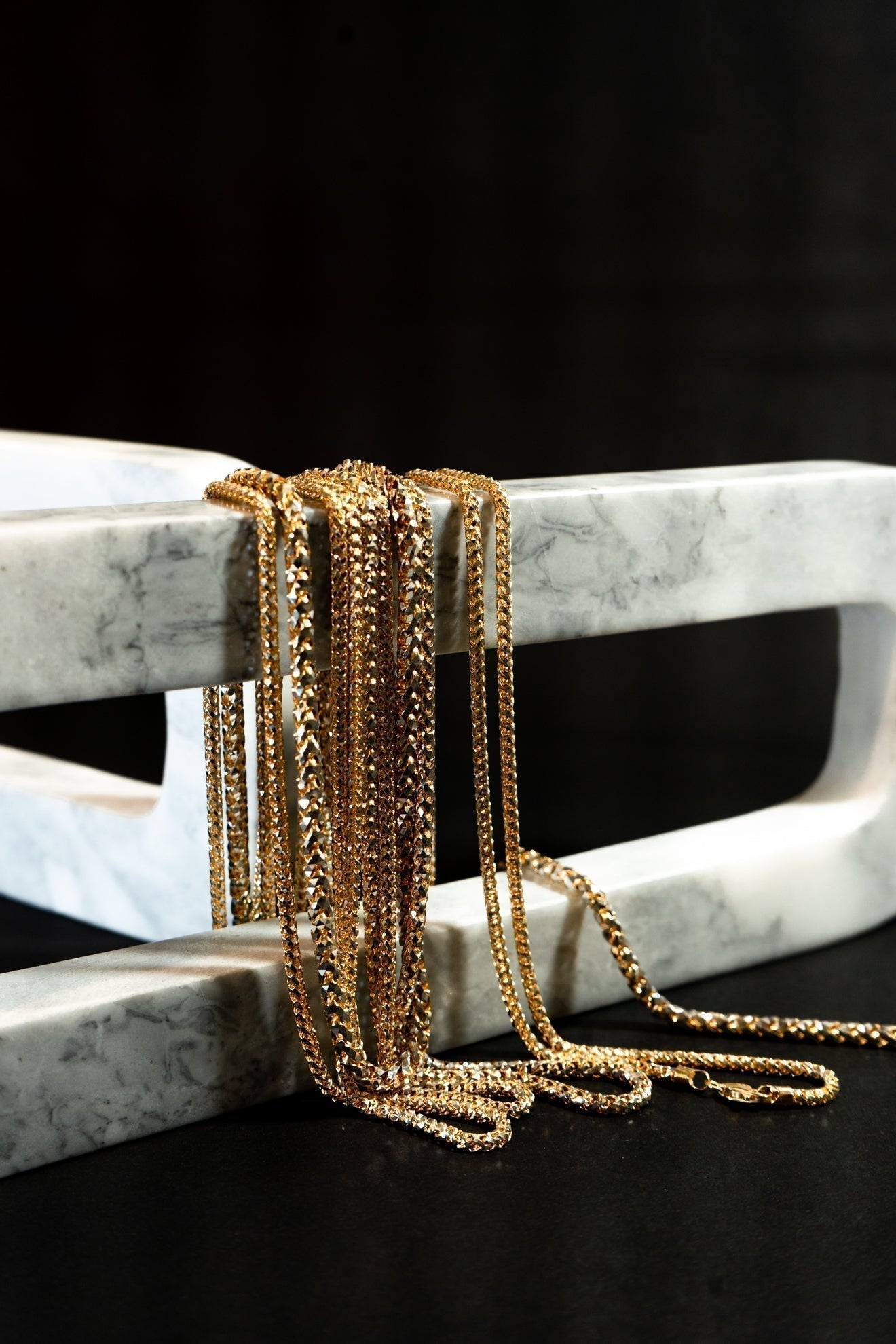
- Chains and Bracelets:14K gold suits everyday chains and bracelets because it offers greater durability. Miami Cuban, Rope, Franco, Baby Curb, and Power Link styles all hold up better in 14K precisely because these are pieces people don't take off. 18K with higher gold content gives substantial chains and bracelets a more premium feel, particularly for occasional or statement wear.
- Rings and Engagement Jewelry: Rings and wedding bands need a slightly different approach. Here, color and prestige can matter more than daily-wear toughness. That makes 18K gold a strong choice for people who want a rich, warm gold look. 14K gold brings more durability, making it a practical pick for rings that face frequent daily wear.
-
Men's Gold Jewelry: Men's chains and bracelets tend to favor 14K gold for practical reasons, not just style. Men's jewelry handles heavier daily wear, while the added hardness of 14K helps it handle regular use. 18K gold gives premium pieces a deeper tone and a more refined look for special occasions.
Which One Should You Choose -14K or 18K Gold?
14K is more about the strength and cost of the alloy, and 18K is more about the gold content and look of the piece.
If durability, budget and daily wear are your top priorities, then you should select 14K. If you want your gold piece to be as pure as possible, have the most vibrant color, and are willing to take the extra step to care for that piece, you should opt for 18K.
Durability and purity pull in opposite directions by definition, so the “best” karat is really just the one that matches how you'll actually wear the piece. Someone who wears the same chain every day for a decade needs something different than someone buying a ring for a handful of occasions a year.
The best gold jewelry isn't the one with the highest number stamped inside it. It's the one that fits how you'll actually wear it.